Viva la Vida: Meaning, History & How to Perform Coldplay's Anthem
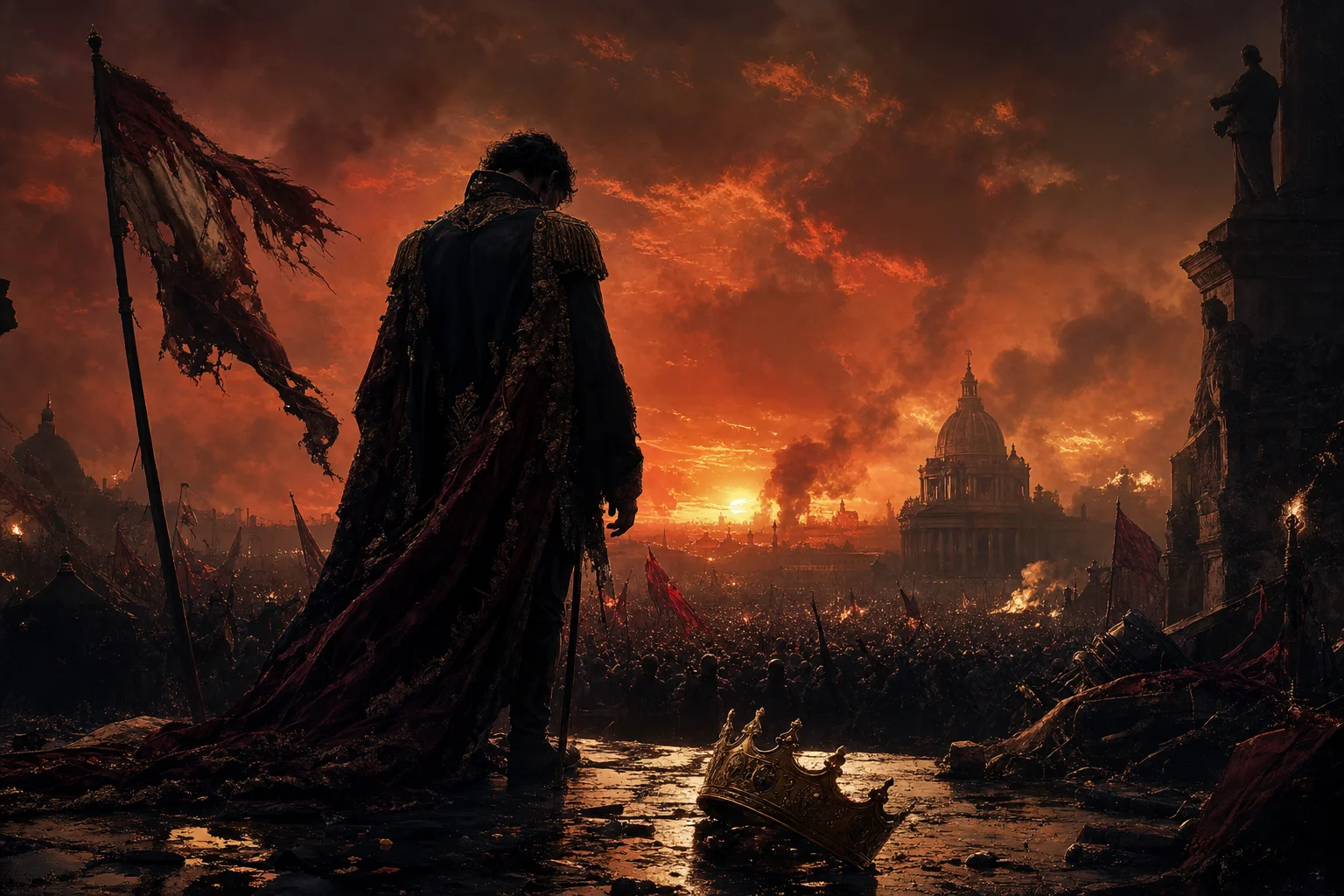
Viva la Vida — Spanish for "Long Live Life" — is Coldplay's 2008 anthem, the title track and lead single of the album Viva la Vida or Death and All His Friends. Built on a surging string ostinato and a hymn-like chorus, it won the Grammy for Song of the Year and became the band's first number one in both the UK and the US.
At a glance
- Artist: Coldplay — released 2008, co-produced by Brian Eno
- Title: Spanish for "Long Live Life", taken from a Frida Kahlo painting
- Signature: a driving string ostinato and an anthemic chorus — orchestral by nature
- To perform it: a full orchestra & choir edition (recorded at Abbey Road with the LSO) or a string quartet edition
What does "Viva la Vida" mean?
The phrase is Spanish for "Long Live Life." Coldplay borrowed it from the Mexican painter Frida Kahlo, who painted the words VIVA LA VIDA across a still life of watermelons in 1954, days before her death and in great physical pain — turning the title into a defiant toast to living. The lyric that surrounds it, sung from the point of view of a fallen king, gives the anthem its bittersweet grandeur: triumph and loss in the same breath.
Who wrote Viva la Vida, and when?
Viva la Vida was written by the four members of Coldplay — Chris Martin, Jonny Buckland, Guy Berryman and Will Champion — and released in 2008 on the album of (almost) the same name, co-produced by Brian Eno. It topped the charts on both sides of the Atlantic and won the 2009 Grammy Award for Song of the Year, cementing its place as one of the defining anthems of its decade.
Why it works so well for orchestra
Few pop songs are as ready for the concert stage. The famous string ostinato is orchestral writing in all but name, and the chorus rises like a hymn — which is exactly why it crossed into the classical world through violinists such as David Garrett. The full orchestra and choir edition published here is not a generic transcription: it is the arrangement recorded at Abbey Road Studios with the London Symphony Orchestra, so every line has been proven by world-class players in the room where so much film music is made.
Which edition do you need?
It depends on your forces. Choose the full orchestra & SATB choir edition for a symphonic pops concert, a season finale or a gala — it delivers the anthem at full scale, with the choir carrying the hook. Choose the string quartet edition for a wedding, a drinks reception or an intimate recital, where four players capture the ostinato and melody beautifully. Both ship the full score and all parts as an instant, print-ready PDF.
How to programme Viva la Vida
The song has its own built-in arc, which makes it an ideal opener or finale. Let the strings establish the ostinato, bring the choir (or the upper strings) in on the anthem, and save the full tutti for the last chorus — the moment audiences wait for. It pairs naturally with other classical-crossover repertoire, and its instant recognition makes it a reliable way to lift a whole programme.
Frequently asked questions
What does "Viva la Vida" mean?
Viva la Vida is Spanish for "Long Live Life." Coldplay took the phrase from a painting by the Mexican artist Frida Kahlo, who wrote the words on one of her last works while in great pain — a defiant celebration of life.
Who wrote Viva la Vida and when?
Viva la Vida was written by Coldplay — Chris Martin, Jonny Buckland, Guy Berryman and Will Champion — and released in 2008 as the lead single from the album Viva la Vida or Death and All His Friends, co-produced by Brian Eno. It won the 2009 Grammy for Song of the Year.
Why does Viva la Vida work so well for orchestra?
The song is built on a driving string ostinato and an anthemic, hymn-like chorus — material that was orchestral in spirit from the start. It became a classical-crossover favourite through artists such as David Garrett, and translates naturally to full orchestra, choir and string quartet.
Is there orchestra sheet music for Viva la Vida?
Yes. Paul Lorenz Music publishes a full orchestra and SATB choir edition — the arrangement recorded at Abbey Road Studios with the London Symphony Orchestra — and a separate string quartet edition, both as instant, print-ready PDFs.