Nessun Dorma: Meaning, History & How to Perform Puccini's Aria
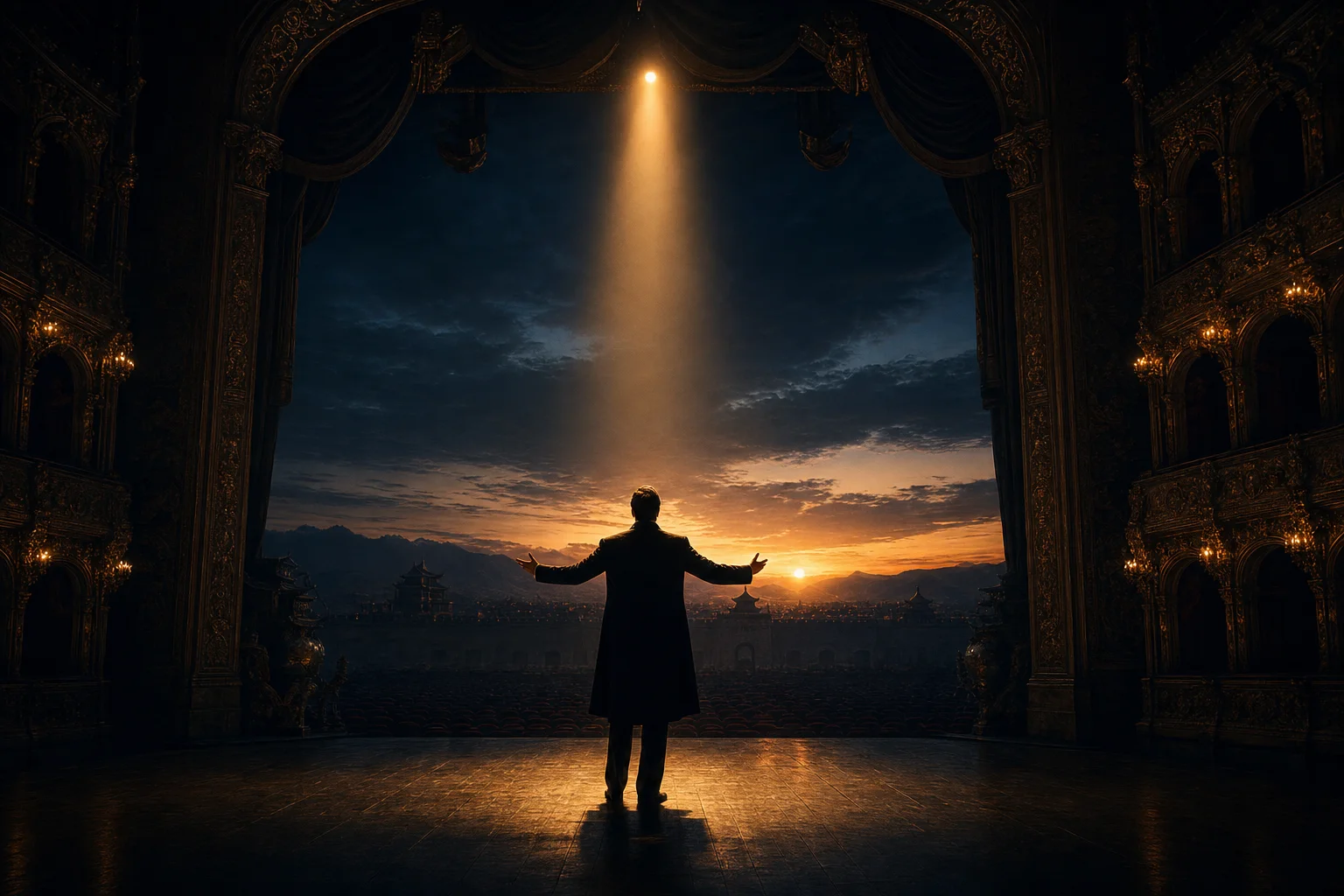
Nessun Dorma — Italian for "None shall sleep" — is the climactic tenor aria from Act 3 of Giacomo Puccini's final opera, Turandot (1926). Sung by the unknown prince Calaf, it rises to the triumphant cry "Vincerò!" ("I will win"). Luciano Pavarotti's 1990 World Cup performance turned it into the most recognisable aria in the world.
At a glance
- From: Turandot, Act 3 — Puccini's last opera, premiered 1926
- Sung by: Calaf, the unknown prince, alone at night in Peking
- Famous line: "Vincerò!", traditionally crowned by a high B natural
- Made globally famous: Pavarotti at the 1990 FIFA World Cup and the Three Tenors
- To perform it: a full-orchestra, SATB-choir & tenor edition is available as an instant PDF
What does "Nessun Dorma" mean?
The words mean "None shall sleep." In the opera, the icy Princess Turandot has decreed that no one in Peking may sleep until the name of the unknown prince is discovered — on pain of death. Alone in the palace garden, the prince Calaf hears the decree ring out across the city and answers it with quiet certainty: he alone knows his name, and at dawn he will win both the riddle and the princess. The aria is a nocturne of confidence in the dark — hushed and inward at first, then blazing into open triumph.
Who wrote Nessun Dorma, and when?
Nessun Dorma was written by Giacomo Puccini for Turandot, the opera he was still composing when he died in 1924. The final scene was completed from his sketches by Franco Alfano, and the work was premiered at La Scala, Milan, on 25 April 1926 under Arturo Toscanini — who, at the first performance, famously stopped at the point where Puccini's own writing ended. The aria has outgrown the opera house ever since.
Why the 1990 World Cup made it an anthem
For most of the twentieth century Nessun Dorma belonged to opera lovers. Then the BBC chose Pavarotti's recording as the theme for its coverage of the 1990 FIFA World Cup in Italy, and the Three Tenors concert on the eve of the final — Pavarotti, Plácido Domingo and José Carreras — was broadcast to hundreds of millions. Overnight, an aria about a prince's midnight resolve became the sound of sport, triumph and shared emotion. It is now the piece audiences most want to hear, whether in a concert hall or a stadium.
The high B — and the question of key
Everything in Nessun Dorma is engineered toward a single moment: the last "Vincerò!", capped by a high B natural held over the full orchestra and chorus. In Puccini's original key of A-flat major, that note sits at the very edge of many fine tenors' range. For concert performance outside the opera, a setting a half-step lower in G major keeps every ounce of the drama and the thrilling high note while giving lyric tenors a more secure approach — which is exactly how the Paul Lorenz edition is set.
How to programme Nessun Dorma in concert
Nessun Dorma is built to close a programme. Let the orchestra establish the nocturnal stillness, bring the offstage women's chorus in like a distant memory, and save the full weight of brass, strings and choir for the final bars beneath the tenor. It anchors a "great arias" evening, a gala, or an opera-in-concert, and it reliably earns a standing ovation. Because Puccini's music is public domain, a professional edition is yours to own — no per-performance rental fees, no return deadlines.
Frequently asked questions
What opera is Nessun Dorma from?
Nessun Dorma is from Act 3 of Turandot, the final opera by Giacomo Puccini. Puccini died in 1924 before completing it; the score was finished by Franco Alfano and premiered at La Scala, Milan, in 1926 under Arturo Toscanini.
What does "Vincerò" mean in Nessun Dorma?
The word "Vincerò" is Italian for "I will win." It is the aria's triumphant final word, sung three times and traditionally crowned by a sustained high B natural — the climax the whole piece builds toward.
Who made Nessun Dorma famous?
Luciano Pavarotti made Nessun Dorma a global anthem when it was used as the BBC theme for the 1990 FIFA World Cup in Italy and performed at the first Three Tenors concert. It has since been sung by Andrea Bocelli, Jonas Kaufmann, Paul Potts and many others.
Is there sheet music for Nessun Dorma for orchestra and choir?
Yes. Paul Lorenz Music publishes a professional edition for full orchestra, SATB choir and tenor solo, set in the accessible key of G major and delivered as an instant, print-ready PDF with the conductor's score and all individual parts.