Hallelujah (Leonard Cohen): Meaning, History & How to Perform It
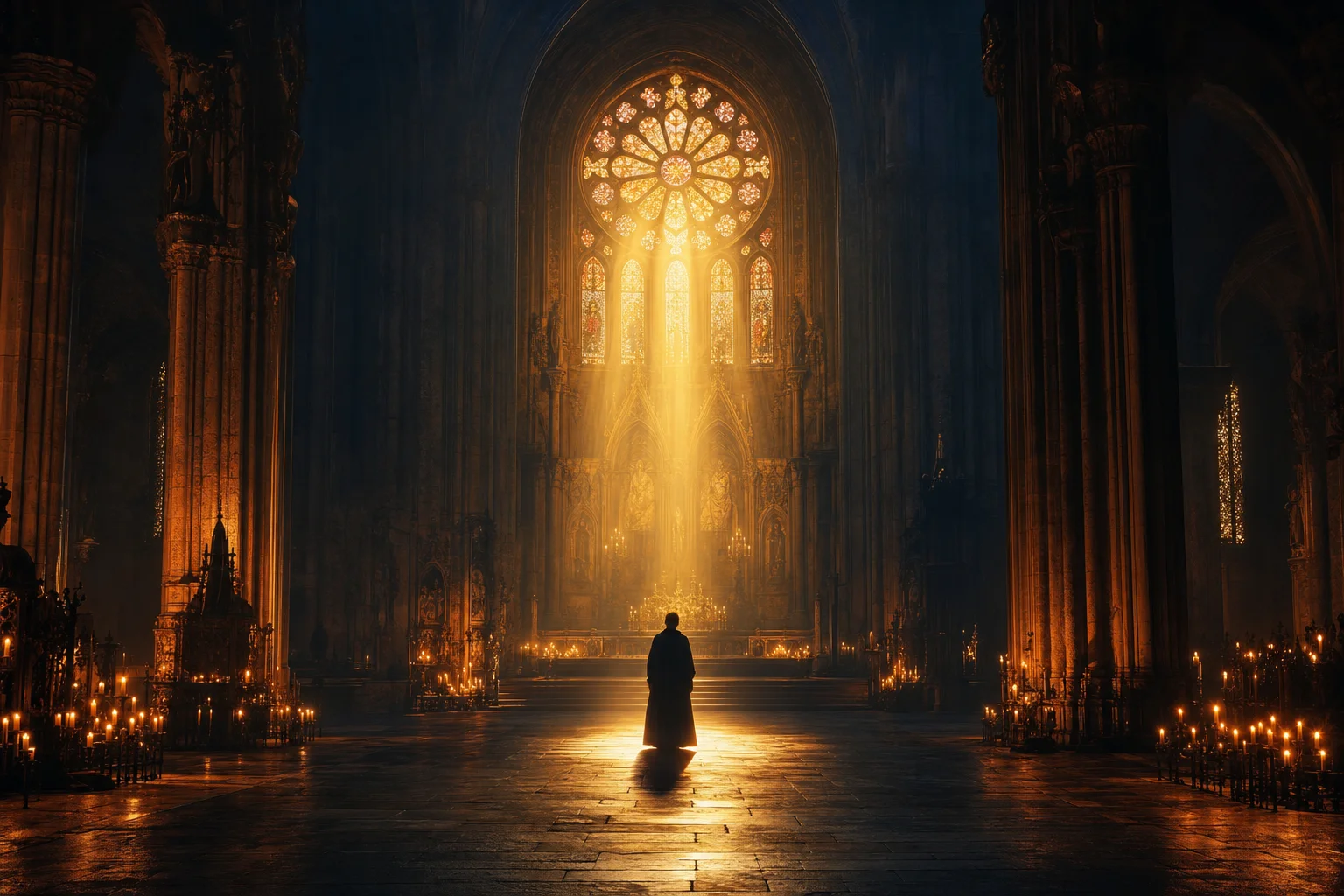
Hallelujah is Leonard Cohen's 1984 song from the album Various Positions — a meditation on love, faith and human brokenness built on "the secret chord." Overlooked at first, it became one of the most covered songs in music after Jeff Buckley's 1994 recording, and is now a staple of concerts, films and ceremonies. It is not the same piece as Handel's Hallelujah Chorus.
At a glance
- Writer: Leonard Cohen — released 1984 on Various Positions
- Made famous by: John Cale and Jeff Buckley in the 1990s; now endlessly covered
- Theme: the "broken hallelujah" — praise sung from a place of loss
- Not to be confused with: Handel's Hallelujah Chorus (a different work)
- To perform it: a full orchestra & choir edition or an SATB choir & piano edition
What does Cohen's Hallelujah mean?
Cohen weaves biblical imagery into a very human song. The opening verse recalls King David, "the baffled king composing Hallelujah"; later lines evoke Bathsheba and Samson and Delilah. But the song is not really about scripture — it is about love, desire, doubt and defeat, and the idea that praise can rise even from brokenness. That is the meaning of its most quoted phrase, the "broken hallelujah": a word of worship sung by someone who has lost, not won. It is precisely this doubled feeling — sacred and earthly at once — that gives the song its extraordinary emotional reach.
Who wrote Hallelujah, and when?
Hallelujah was written by the Canadian poet and songwriter Leonard Cohen and released in 1984 on Various Positions. Cohen reportedly wrote dozens of verses over several years before settling on the version he recorded. The song made little impact at first; it was John Cale's stripped-back 1991 cover and, above all, Jeff Buckley's 1994 recording that revealed its power — after which it appeared in films (famously Shrek), talent shows and countless covers, becoming a modern standard.
Cohen's Hallelujah vs Handel's Hallelujah Chorus
Because they share a word, the two are often confused — but they are entirely different works. Leonard Cohen's Hallelujah is a 1984 folk-pop ballad. Handel's Hallelujah Chorus is the blazing chorus from his 1741 oratorio Messiah, traditionally performed with the audience standing. If you are looking for the baroque chorus, that is a separate edition; this guide is about Cohen's song.
Why it works for choir and orchestra
Hallelujah is built for gradual accumulation, which is exactly what a choir and orchestra do best. Begin intimately — a single voice, a keyboard — then let each verse gather weight until the final refrain fills the hall. The hymn-like chorus sits gratefully in SATB harmony, and a string-and-organ texture underneath gives it the sense of sacred space the song reaches for. It is one of the most reliable ways to move an audience, in a concert or a service alike.
Which edition do you need?
Choose the full orchestra & SATB choir edition for a gala, a Christmas or memorial concert, or a season finale, where the orchestra can swell beneath the choir. Choose the SATB choir & piano edition for church services, community concerts and smaller halls. Both keep the same choral writing, so a choir can rehearse from the piano edition and later step onto the stage with full orchestra without relearning a note.
Frequently asked questions
What is Leonard Cohen's Hallelujah about?
Leonard Cohen's Hallelujah weaves biblical imagery — King David and Bathsheba, Samson and Delilah — into a meditation on love, faith, doubt and human brokenness. Its recurring idea is the "broken hallelujah" — a song of praise sung from a place of loss, holding the sacred and the earthly together.
Who wrote Hallelujah and when?
Hallelujah was written by the Canadian poet and songwriter Leonard Cohen and released in 1984 on the album Various Positions. Cohen famously drafted many verses over several years; the song became widely known through John Cale's and Jeff Buckley's 1990s recordings.
Is Cohen's Hallelujah the same as Handel's Hallelujah Chorus?
No. They are two completely different works that share only the word "Hallelujah." Cohen's is a 1984 ballad; Handel's Hallelujah Chorus is from his 1741 oratorio Messiah. Both are available as separate editions.
Is there choir and orchestra sheet music for Cohen's Hallelujah?
Yes. Paul Lorenz Music publishes a full orchestra & SATB choir edition and a separate SATB choir & piano edition, both as instant, print-ready PDFs.